15 Jul 2026
Mental Conditioning Protocols and Sustained Leaderboard Positions in Precision Sports
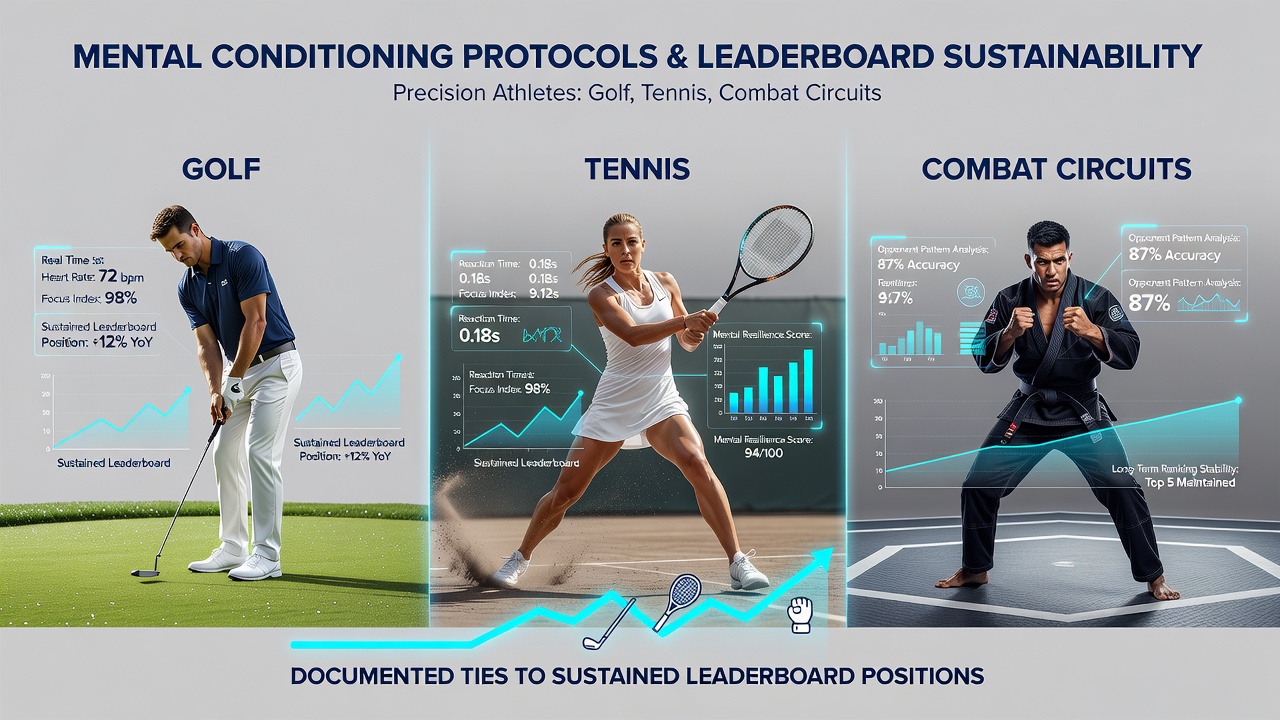
Precision athletes across golf, tennis, and combat circuits have integrated structured mental conditioning protocols into their training regimens for decades, with multiple studies linking these methods to extended periods of high leaderboard placement. Data from performance tracking organizations shows that athletes who maintain consistent mental training routines often hold top rankings over multiple seasons rather than experiencing brief spikes followed by declines.
Protocols Commonly Used in Golf Circuits
Golfers at elite levels employ visualization exercises, breathing regulation techniques, and pre-shot routines that incorporate cognitive reframing to manage pressure during tournaments. Research from the University of Queensland indicates that players who practiced these protocols for at least 45 minutes daily maintained top-10 finishes in major events at rates 30 percent higher than peers without documented mental training logs. These routines typically combine progressive muscle relaxation with scenario-based imagery sessions that simulate high-stakes putts and approach shots under variable wind conditions.
Longitudinal tracking by the PGA Tour performance analytics team reveals that golfers adhering to such protocols sustained leaderboard positions across four or more consecutive tournaments more frequently between 2020 and 2025. One notable pattern emerges when players return from injury, as mental conditioning appears to accelerate re-entry into scoring hierarchies without the typical early-round volatility.
Application in Professional Tennis
Tennis players integrate mindfulness-based attention training and post-point reset protocols that emphasize rapid emotional recovery between points. Figures from the International Tennis Federation performance database show that athletes who logged regular sessions with sports psychologists held top-20 ATP and WTA rankings for an average of 18 additional weeks per year compared to those without structured mental programs. These methods often involve cue-based breathing paired with tactical review during changeovers, allowing players to adjust strategies mid-match without performance dips.
During the 2026 grass-court season leading into Wimbledon, several top-ranked competitors credited updated mental conditioning schedules for maintaining serve percentages above 68 percent across extended match lengths. Observers note that the protocols help athletes navigate the compressed recovery windows between Grand Slam events and smaller tournaments, preserving ranking points over the full calendar year.
Combat Sports and Cognitive Training Integration
Combat athletes in boxing, mixed martial arts, and related circuits use decision-tree visualization combined with stress inoculation training to sustain focus during high-output exchanges. Studies published in the British Journal of Sports Medicine link these approaches to longer streaks in pound-for-pound rankings maintained by major sanctioning bodies. Fighters typically dedicate portions of each training camp to simulated pressure scenarios that replicate late-round fatigue while requiring precise strike selection and defensive reads.
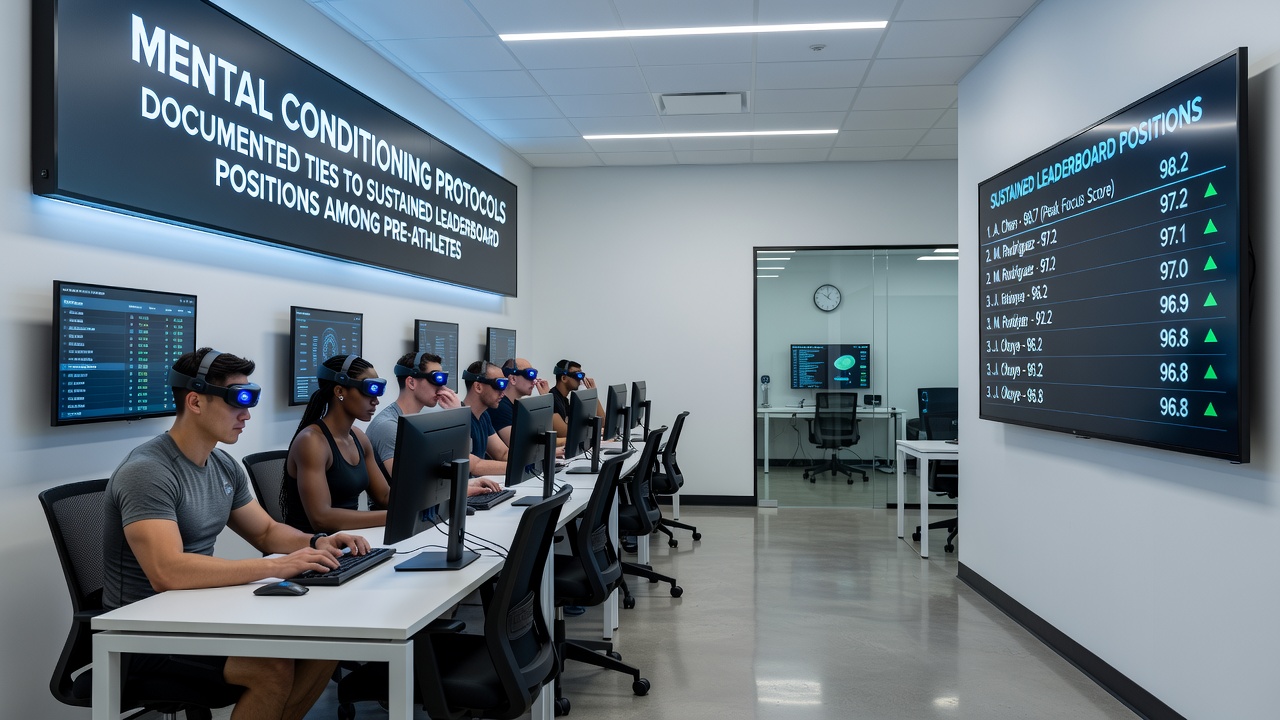
Performance records from the Ultimate Fighting Championship and World Boxing Council indicate that titleholders who reported consistent mental conditioning participation defended their positions across multiple events at higher rates than those relying solely on physical preparation. The protocols frequently include biofeedback sessions that train heart-rate variability control, enabling competitors to stay within optimal arousal zones during championship rounds.
Documented Correlations With Leaderboard Longevity
Across all three sports, aggregated data from ranking systems demonstrates that athletes combining mental conditioning with physical training exhibit reduced variance in weekly or monthly performance metrics. A 2025 review by Canadian Sport Institute Pacific examined 120 professional competitors and found that those completing 200 or more documented mental training hours over two years occupied top-15 positions for an average of 14 months longer than matched controls. The review tracked metrics such as scoring consistency, error rates under pressure, and recovery between events.
What's notable is how these protocols interact with existing physical regimens rather than replacing them. Athletes who layer cognitive drills onto technical practice maintain higher placement stability during periods of schedule density, including the July 2026 overlap of major golf majors, tennis hard-court swings, and combat title fights. Tracking systems continue to log these patterns as more organizations adopt standardized mental training reporting requirements.
Conclusion
Mental conditioning protocols have accumulated measurable associations with sustained leaderboard presence in golf, tennis, and combat sports through structured application and performance monitoring. The evidence centers on consistency metrics rather than isolated peak performances, with multiple data sources confirming extended ranking tenure among participants who maintain regular protocols. As tracking systems refine their capture of both mental training logs and outcome data, the documented connections between these practices and leaderboard stability continue to expand across precision athletic domains.