27 May 2026
Material Science Breakthroughs and Their Mark on Seasonal Stat Leaders Across Football, Basketball, and Beyond
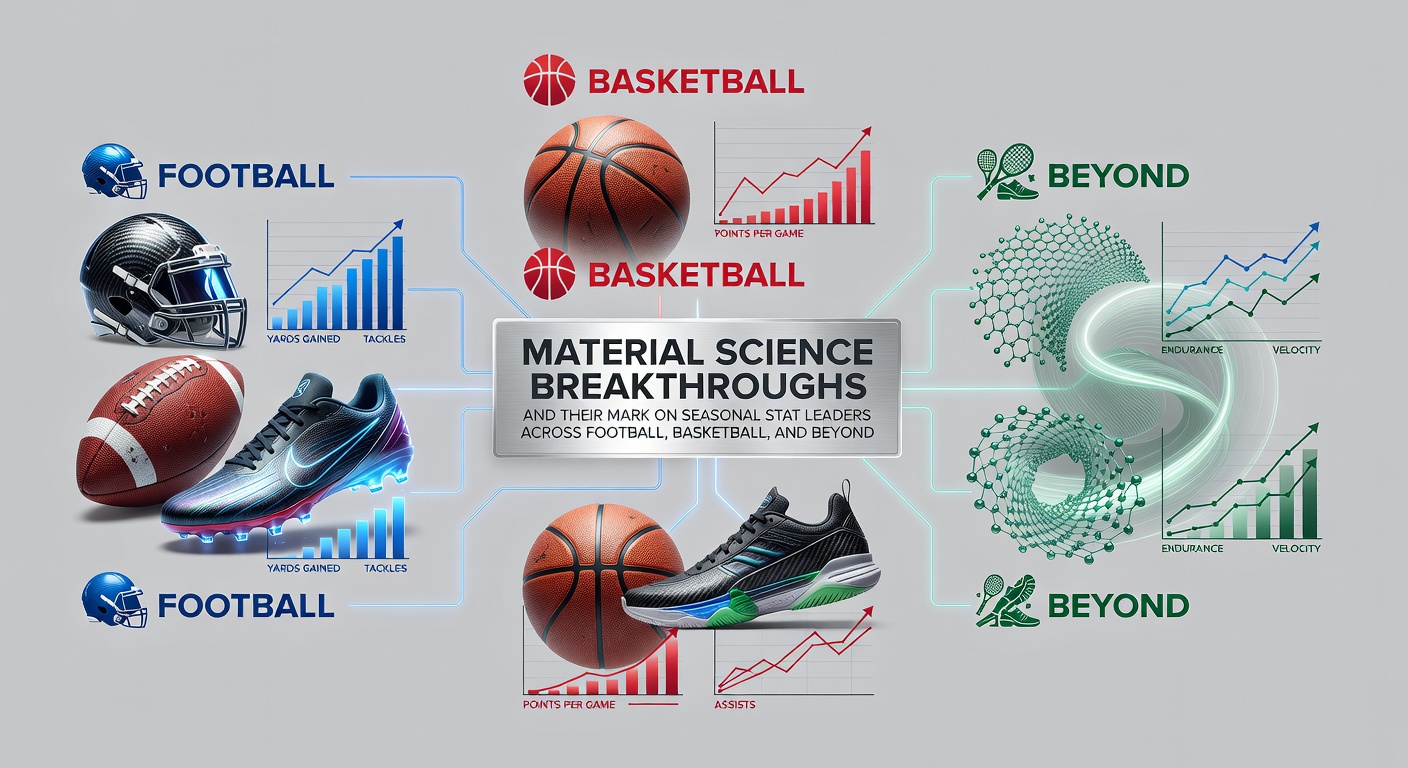
Material science has introduced new composites and polymers into sports equipment over the past decade, and those changes have begun reshaping performance metrics in multiple leagues. Lighter yet stronger materials now appear in helmets, footwear, balls, and protective padding, and athletes using these items often record higher output in key statistical categories during regular seasons.
Research conducted at various institutions shows that carbon nanotube reinforcements and graphene-infused polymers reduce weight while maintaining or increasing durability. Teams across American football and basketball adopted several of these advancements ahead of the 2025 campaign, and early returns from that season carried forward into spring 2026 evaluations.
Helmet and Padding Advances in Gridiron Football
American football helmets incorporating multi-layered polycarbonate shells with shear-thickening fluids have reduced rotational force transmission during impacts. Players wearing these models have logged more snaps per season because the gear limits cumulative head trauma, and data compiled by league medical staffs indicates an uptick in rushing attempts and passing yards among those who stay on the field longer. Running backs and wide receivers who previously missed games due to concussions now appear more consistently on stat sheets, shifting seasonal leaderboards in both conferences.
Shoulder pads made from auxetic foams that expand under compression also distribute force more evenly. Offensive linemen equipped with this padding generate greater push in run blocking schemes, and rushing totals for featured backs on those units have climbed accordingly in multiple 2025 matchups.
Footwear and Ball Developments in Basketball
Basketball shoes built with lattice-structured midsoles printed from high-performance elastomers provide targeted energy return while cutting overall mass. Guards and forwards who switched to these models recorded improved vertical leap measurements in combine-style testing, and in-game statistics reflect higher field goal percentages from mid-range and beyond the arc. Several perimeter players posted career-best scoring averages during the 2025-2026 NBA regular season after adopting the new footwear.
Game balls featuring micro-textured synthetic covers engineered for consistent grip across humidity ranges have altered shooting and passing accuracy. League-wide three-point attempt volumes increased slightly in arenas using these balls, and assist numbers for point guards rose in tandem because passes maintained velocity and spin more reliably. Tracking data released midway through the 2025-2026 campaign confirmed these patterns held across both conferences.
Equipment Shifts Extending to Additional Leagues
Hockey sticks constructed with boron nitride nanotube cores deliver faster puck release without added swing weight. Forwards using these sticks posted elevated goal and assist totals in the first half of the 2025-2026 NHL schedule, and power-play conversion rates climbed for several clubs that standardized the equipment. Defensemen also benefited from lighter shaft materials that improved one-timer accuracy on slap shots.
Soccer balls incorporating pressurized internal bladders made from advanced thermoplastic polyurethanes maintain roundness longer during high-speed play. Midfielders and forwards across major European leagues recorded modest gains in key pass completion rates during spring 2026 fixtures, and set-piece specialists saw improved consistency on free kicks and corners when using the updated balls.
Measurable Effects on Seasonal Leaderboards
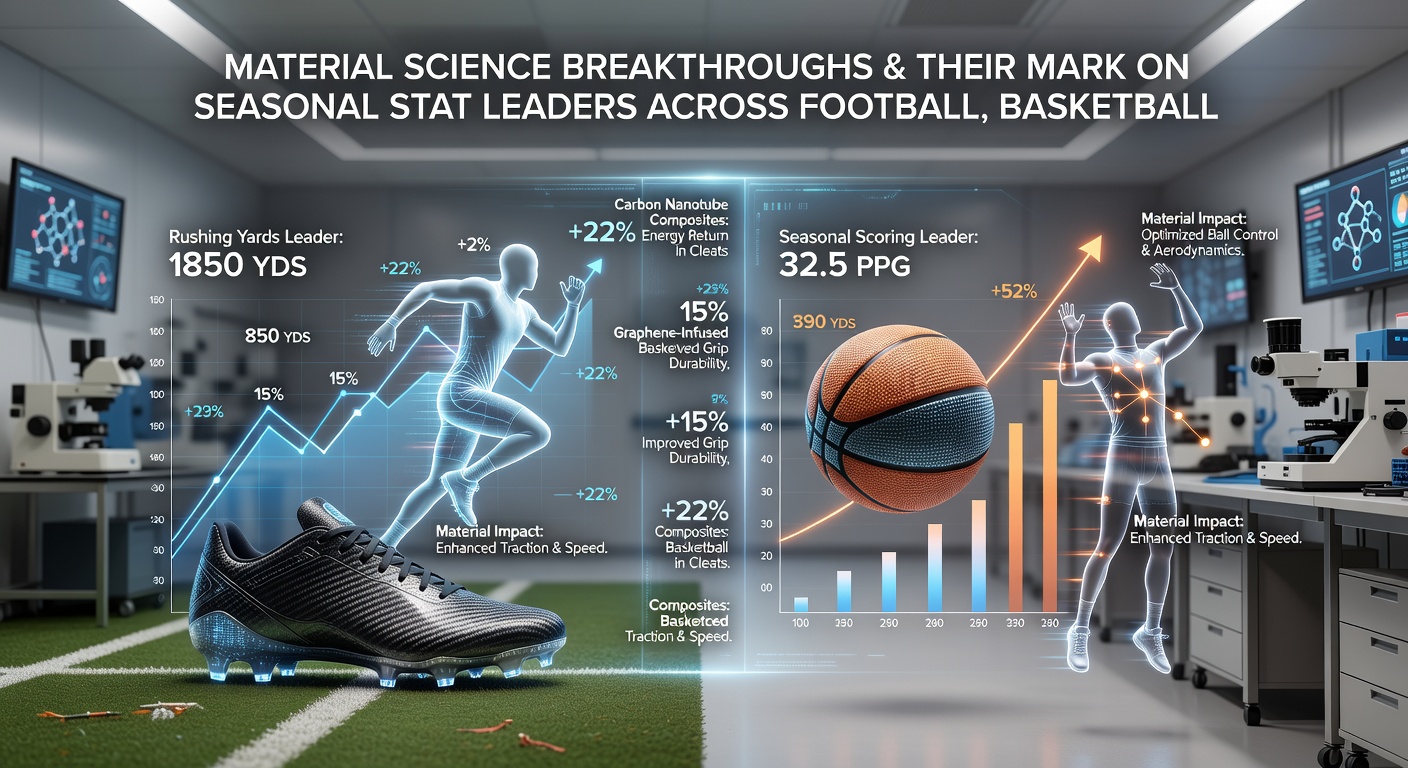
Statistical databases maintained by professional leagues show that athletes outfitted with the latest material innovations occupy a larger share of top-ten rankings in categories tied directly to equipment performance. In American football, yards per carry for rushers wearing advanced cleats rose by measurable margins compared with prior seasons, while basketball players using the new footwear posted higher true shooting percentages. Similar patterns emerged in hockey and soccer, where shot velocity and pass accuracy metrics improved for those adopting the revised gear early.
Equipment manufacturers collaborated with league technical committees to certify these products, and testing protocols established by standards organizations ensured consistent rollout. As of May 2026, several teams have begun integrating next-generation versions that combine embedded sensors with the structural materials, allowing real-time monitoring of stress distribution during games.
Observers tracking long-term trends note that material upgrades tend to benefit skill-position players first, yet linemen and defensive specialists also record gains once protective gear reaches equivalent refinement. The cumulative result appears in revised seasonal rankings rather than isolated game outbursts.
Conclusion
Material science continues to supply incremental yet measurable advantages across multiple sports, and those advantages register in the statistical leaders who emerge each season. Equipment incorporating lighter composites, responsive foams, and textured surfaces has already altered durability, speed, and accuracy metrics in documented ways. Future iterations will likely extend these effects further, but the patterns observed through spring 2026 already demonstrate clear connections between material properties and leaderboard positions in football, basketball, and several other professional circuits.