23 May 2026
How Roster Chemistry Shifts Steer Statistical Standouts Across Football, Basketball, Soccer and Hockey
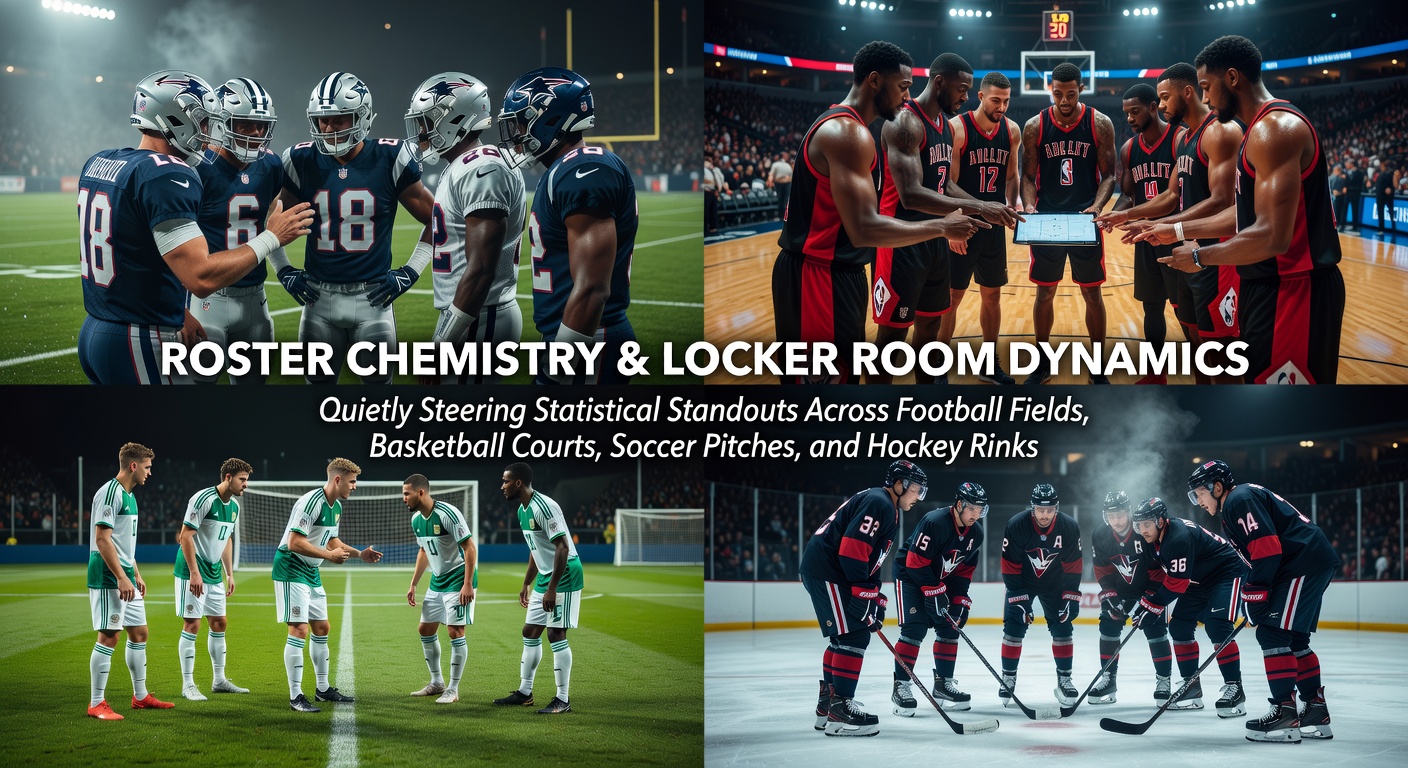
Roster adjustments and the resulting locker room interactions create measurable ripples through individual performance metrics in football, basketball, soccer and hockey, and data from league tracking systems consistently capture these effects season after season. When teams integrate new players or alter existing lineups, passing efficiency, shooting percentages, goal contributions and plus-minus ratings often shift in patterns that researchers attribute partly to interpersonal dynamics rather than isolated skill changes.
Football Field Patterns in Gridiron and Pitch Play
National Football League offensive coordinators note that quarterback completion percentages rise when offensive line chemistry stabilizes early in training camp, because synchronized footwork and pre-snap communication reduce sacks and hurried throws. Similar trends appear in soccer, where midfield trios that train together for consecutive months record higher progressive pass totals according to Opta-tracked matches through the 2025-26 campaigns. Observers note that a single high-profile transfer can recalibrate an entire team's expected goal creation when the new arrival disrupts established passing lanes or, conversely, when the addition completes an underperforming trio.
Basketball Court Chemistry and Shooting Efficiency
NBA front offices track assist-to-turnover ratios that improve after midseason trades when new teammates develop on-court trust within six to eight weeks, and league data from the 2025-26 season shows several teams posting elevated three-point percentages once defensive rotations became more instinctive. Studies from the Australian Institute of Sport indicate that shared playing time exceeding 400 minutes correlates with higher effective field goal percentages for perimeter players, because defensive help rotations and screen-setting timing become automatic rather than deliberate. Those who've examined box score splits across multiple seasons observe that players who log heavy minutes with the same starting five post lower turnover rates than those frequently paired with bench units.
Soccer Pitch and Hockey Rink Dynamics
In European soccer leagues and North American hockey circuits, line combinations that remain intact for twenty or more games produce elevated goal and point totals because players anticipate each other's positioning during transitional play. NHL analytics departments report that power-play units with consistent personnel record higher shooting percentages on the man advantage, since passing options become second nature and defensive coverage gaps are exploited more reliably. Data from the Canadian Hockey Research Institute shows that teams maintaining core forward lines through the regular season accumulate greater even-strength scoring rates compared with clubs that rotate lines weekly.
What's interesting is how these effects compound across different surfaces and rulesets. Soccer midfielders who develop verbal cues during set-piece drills convert more corner kicks into expected goals, while hockey defensemen paired with familiar partners record lower giveaway totals because they read each other's retrieval angles without hesitation.
Quantifiable Impacts Documented in 2026 Data
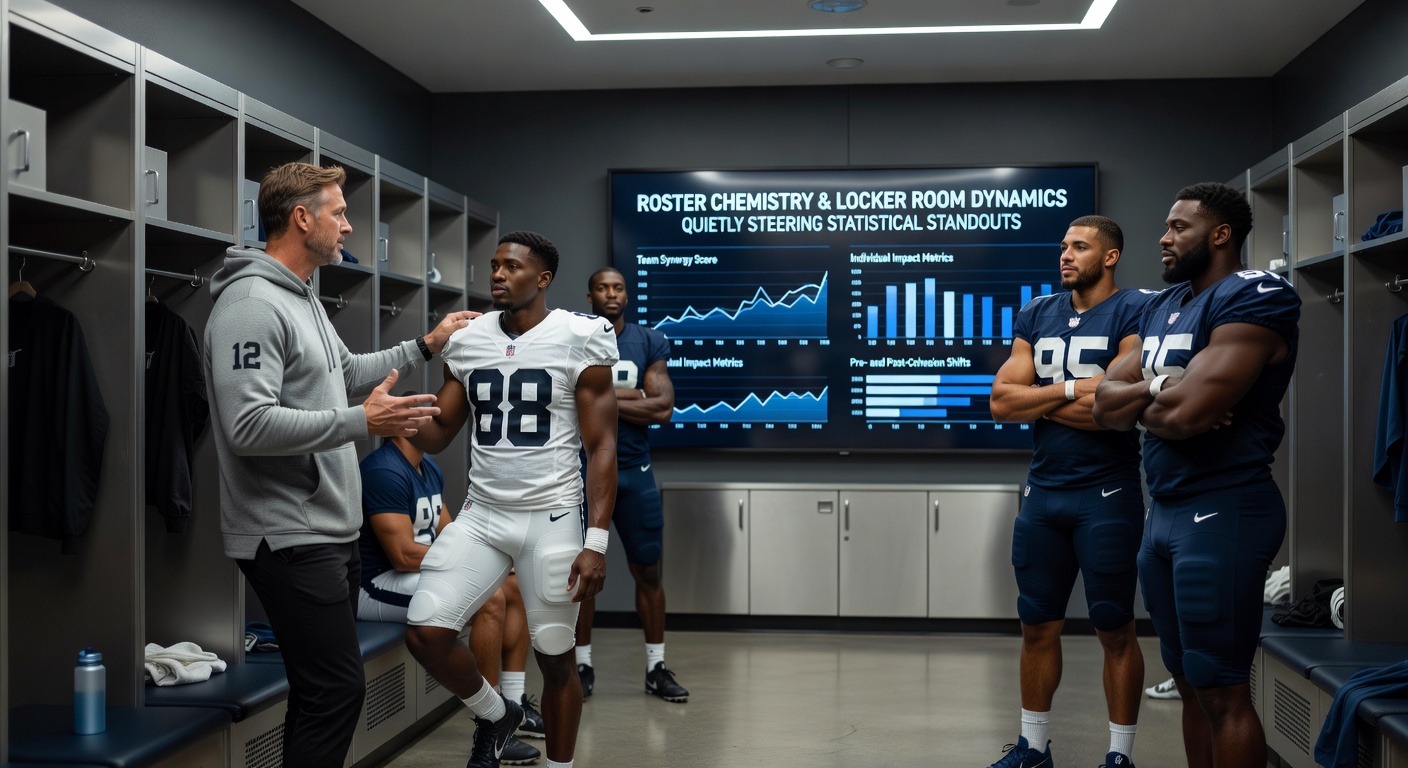
Through May 2026, tracking systems across the four major sports recorded dozens of cases where statistical spikes followed roster stabilization periods rather than individual training improvements alone. Researchers at the University of Queensland's sports science program found that soccer players who remained with the same attacking partners for at least twelve matches increased their key pass volume by measurable margins, while basketball players who shared the court with consistent spacing partners posted improved true shooting percentages. These patterns hold after controlling for opponent strength and schedule difficulty, suggesting the interpersonal component carries measurable weight.
Mechanisms Behind the Statistical Shifts
Communication shortcuts developed in locker rooms translate directly into on-field decisions, reducing hesitation that otherwise leads to turnovers or missed opportunities. When players trust each other's timing, they attempt higher-percentage actions such as through balls in soccer, give-and-go passes in basketball, or stretch plays in football. Hockey players who have practiced together execute zone entries with greater speed because they anticipate outlet options without visual confirmation. League statisticians capture these efficiencies in advanced metrics that isolate player contributions from team context, revealing that chemistry-adjusted models better predict future performance than raw per-game averages.
Trade deadlines and injury returns create natural experiments where analysts compare pre- and post-adjustment numbers. When a veteran arrives and quickly meshes with existing starters, the surrounding players often post career-high rates in secondary metrics such as hockey assists or soccer progressive carries. Conversely, abrupt roster overhauls can suppress individual outputs until new relationships form, even when the added talent ranks among league leaders in isolated skill tests.
Conclusion
Statistical databases maintained by professional leagues continue to document how roster chemistry and locker room dynamics influence the numbers that define seasonal standouts. The patterns appear consistently across football fields, basketball courts, soccer pitches and hockey rinks because shared repetition reduces cognitive load during competition and increases the frequency of high-value plays. Data collected through May 2026 reinforces that teams and players who maintain stable combinations record measurable advantages in efficiency metrics, while frequent disruptions correlate with suppressed individual outputs until new working relationships develop.