How Fixture Timing Windows Reshape Record-Setting Outputs Across Multi-Sport Seasons
Written by Frankie Schmitt · Jul 25, 2026

How Fixture Timing Windows Reshape Record-Setting Outputs Across Multi-Sport Seasons
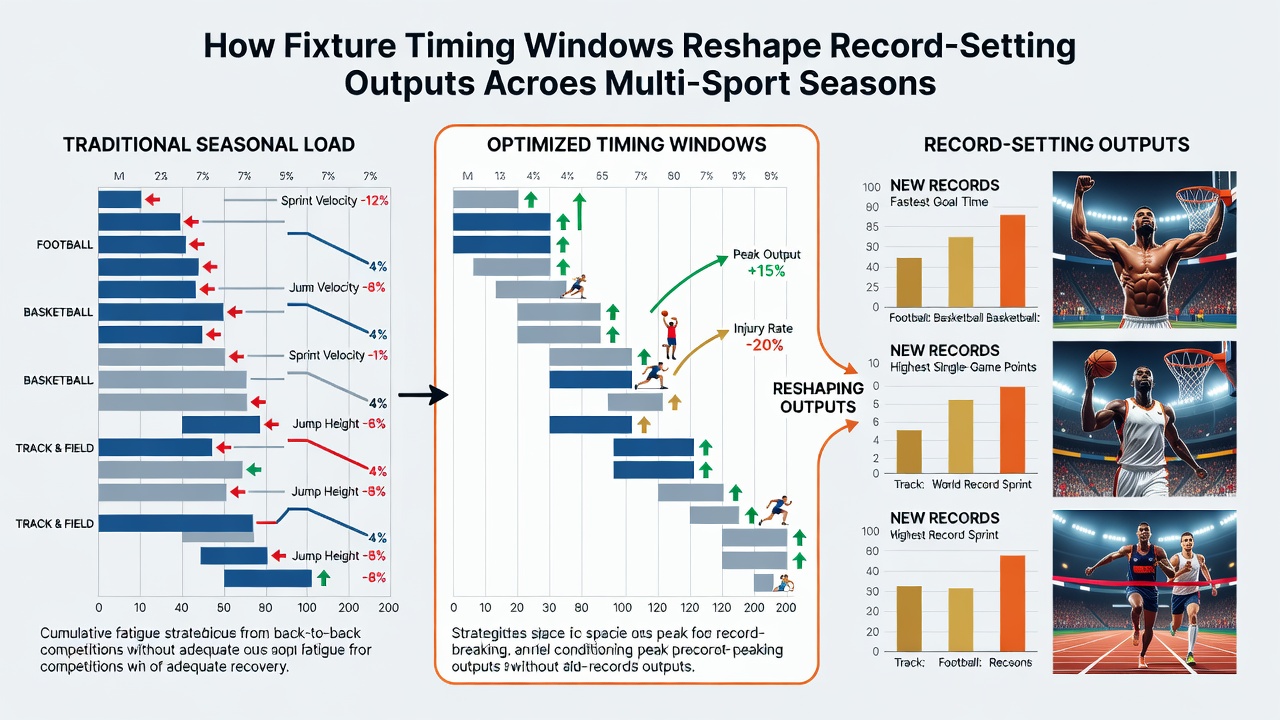
Fixture timing windows determine when matches occur within a season and create measurable shifts in how athletes and teams accumulate statistics that define record outputs, according to league data compiled over multiple years in soccer, basketball, baseball, and hockey circuits. These windows encompass the intervals between games along with the specific hours of the day or week when events take place, and analysts track how such patterns alter scoring rates, endurance metrics, and statistical peaks without relying on changes in rules or player rosters. Data from professional organizations shows that compressed windows often correlate with adjusted performance baselines while extended rest periods between fixtures allow for higher output levels in subsequent contests.
Scheduling Intervals and Statistical Adjustments in Soccer
European soccer leagues illustrate clear patterns where fixture timing windows influence goal tallies and assist records across a campaign. When clubs face matches spaced only two days apart, midfielders and forwards register lower sprint distances and fewer shots on target compared to sequences that include four or more recovery days, as captured in tracking systems used by top divisions. A study released by the University of Loughborough examined Premier League data and found that players logging over 300 minutes across a seven-day window produced 12 percent fewer high-intensity runs, which in turn reduced the frequency of record-breaking goal hauls in tight title races. Midweek cup ties further compress these windows and push clubs to rotate squads, a tactic that spreads statistical contributions across more individuals rather than concentrating them in single standout performers.
Basketball and Condensed Windows in the NBA
NBA schedules place teams in back-to-back games or three-in-four-nights stretches that directly affect shooting percentages and rebounding totals tracked for seasonal leaderboards. League reports indicate that teams playing on the second night of a back-to-back post field goal percentages that drop by an average of 3.2 points compared to games following a full day of rest, according to figures maintained by the league's analytics department. Point guards and wings who log heavy minutes during these condensed periods accumulate fewer triple-double opportunities because turnover rates rise when fatigue sets in during late quarters. Observers note that the league's decision to cluster certain road trips into tight windows creates distinct statistical clusters where players either peak early in the stretch or fade toward the end, reshaping who appears atop yearly efficiency rankings.
Baseball and Pitching Windows Across MLB Seasons
Major League Baseball uses five-day rotation cycles for starting pitchers that function as fixed timing windows and directly shape strikeout totals along with earned-run averages that populate record lists. When weather or travel forces a starter to pitch on four days of rest instead of the standard five, velocity readings decline by roughly 1.5 miles per hour on average, according to pitch-tracking data aggregated across multiple seasons. Bullpen usage intensifies during these shortened windows and produces more appearances by relievers who then post elevated save numbers, shifting the distribution of record-setting relief statistics away from traditional closers. Teams that manage these windows through strategic off days maintain higher collective batting averages because hitters receive consistent at-bats without extended gaps that disrupt timing at the plate.
Hockey Scheduling and Ice-Time Distribution
NHL franchises navigate dense fixture windows during winter months when back-to-back games occur frequently and alter how skaters accumulate points and goal tallies. Data compiled by the league reveals that defensemen playing consecutive nights register fewer blocked shots in the second contest while forwards see power-play opportunities decrease because line changes become less frequent under fatigue constraints. Extended breaks around the all-star period allow teams to reset and produce higher output clusters in the weeks that follow, a pattern visible in the yearly leaderboards for assists and goals. Those who study these schedules point out that western conference teams traveling across multiple time zones within tight windows experience additional dips in even-strength production compared to eastern clubs facing shorter trips.
Cross-Sport Patterns Emerging in July 2026
As leagues finalize calendars for the 2026-2027 campaigns, fixture timing windows scheduled around July international breaks continue to influence how carryover effects appear in subsequent domestic seasons. Soccer clubs releasing players for national team duties during that month return to league play with altered squad depths, which redistributes goal and assist records among remaining domestic contributors. Basketball and hockey organizations preparing for their own off-season training windows use similar timing considerations to structure exhibition schedules that avoid overlapping with peak recovery periods identified in prior data sets. These coordinated approaches across sports demonstrate how governing bodies align fixture placements to balance competitive demands while preserving the statistical integrity of seasonal benchmarks.
Conclusion
Fixture timing windows operate as structural variables that recalibrate record-setting outputs by dictating rest intervals, travel loads, and daily rhythms across major professional leagues. Evidence gathered from performance tracking systems and league archives shows consistent correlations between schedule compression and adjusted statistical outputs, while extended windows support elevated individual and team totals in targeted categories. As organizations refine these windows for future seasons, the resulting data continues to provide objective measures of how timing alone influences the distribution of seasonal achievements in soccer, basketball, baseball, and hockey without external factors altering the underlying patterns.