Biometric Monitoring Tools Reshaping How Peak Performers Get Identified Across Combat Sports and Team Athletics
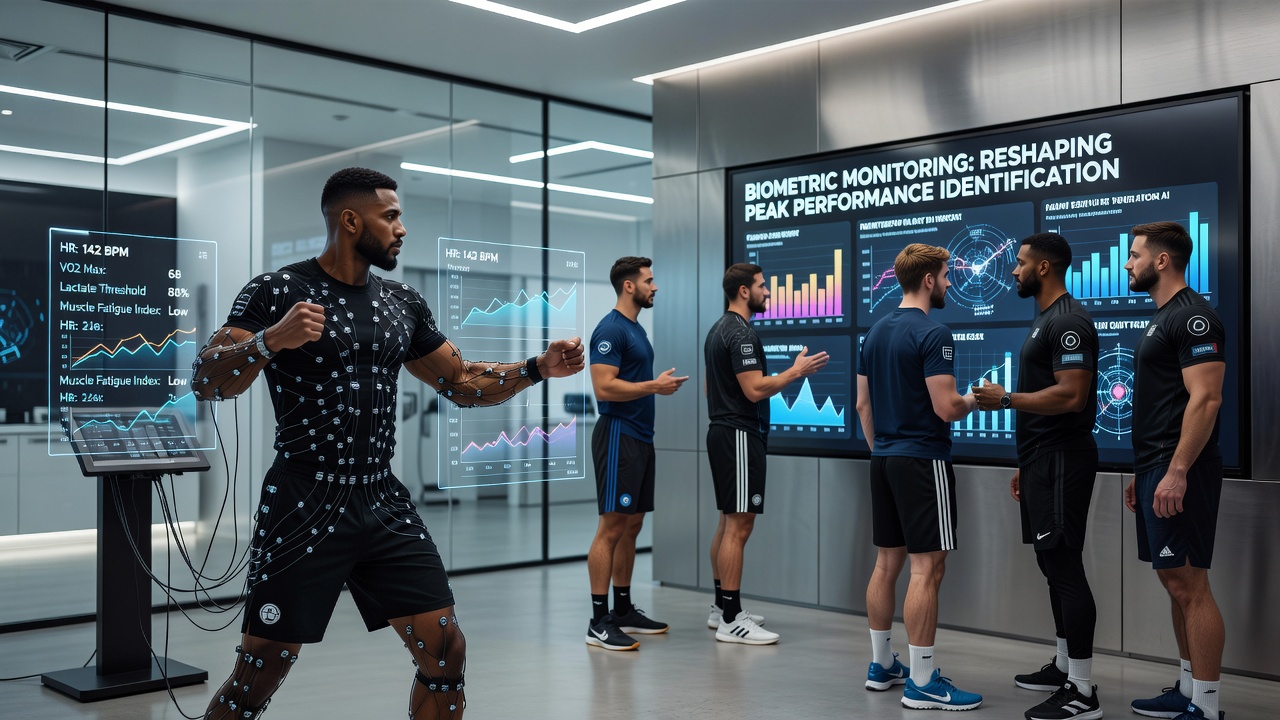
Biometric monitoring tools collect real-time physiological data through wearable sensors, and these devices track heart rate variability, oxygen saturation levels, muscle activation patterns along with movement acceleration to create detailed performance profiles. Sports organizations across multiple disciplines integrate these systems to evaluate athletes beyond traditional statistics, and the approach reveals hidden indicators of peak condition that emerge during high-intensity efforts or recovery phases.
Core Technologies Driving Identification Shifts
Devices such as chest straps, arm bands, and embedded smart fabrics transmit data to centralized platforms where algorithms process inputs from multiple athletes simultaneously. In June 2026 researchers at institutions like the Australian Institute of Sport reported expanded use of multi-sensor arrays that combine GPS tracking with electromyography readings, and this combination allows precise mapping of workload distribution across training cycles. Teams access dashboards that flag deviations from individual baselines, which helps distinguish sustained high performers from those experiencing temporary spikes.
Combat sports federations apply similar frameworks during sparring sessions and fight simulations, whereas team leagues deploy them across full matches to monitor positional demands. Data shows that fighters maintaining stable heart rate recovery between rounds often sustain output longer, and midfielders in soccer who exhibit efficient oxygen utilization post-sprint demonstrate greater consistency in late-game contributions.
Applications Across Combat Disciplines
MMA promotions and boxing commissions employ biometric vests that record punch velocity alongside lactate threshold estimates, and these metrics help matchmakers identify contenders whose physiological profiles indicate readiness for title contention. Observers note fighters whose muscle fatigue curves rise slower under repeated strikes frequently advance through rankings faster because recovery intervals shorten measurably. One documented program in a major European training camp revealed that athletes with elevated nocturnal heart rate variability scores secured more wins in subsequent bouts when paired against opponents showing steeper fatigue slopes.
Training facilities now log strike impact forces correlated with breathing rates, which creates objective benchmarks for power endurance rather than relying solely on subjective coach assessments. This shift enables talent evaluators to compare prospects across weight classes using standardized physiological scales.
Integration in Team-Based Athletics
Basketball franchises and soccer clubs outfit players with sleeve sensors that capture acceleration forces and joint loading during games, and league-wide datasets compiled through 2026 illustrate how these readings recalibrate starter selections. Mid-season adjustments often favor athletes whose biometric logs show superior repeated sprint ability without corresponding spikes in injury risk markers. Football programs similarly track linemen through helmet-embedded accelerometers, revealing which individuals maintain force production across four quarters while others plateau earlier.
Coaching staffs review aggregated team outputs to optimize substitution patterns, and evidence from North American professional leagues indicates reduced soft-tissue injuries when load thresholds trigger automatic rest protocols. Those who've studied longitudinal records across multiple seasons observe that peak identification now incorporates cumulative stress indices rather than isolated game statistics alone.
Data Patterns and Selection Outcomes
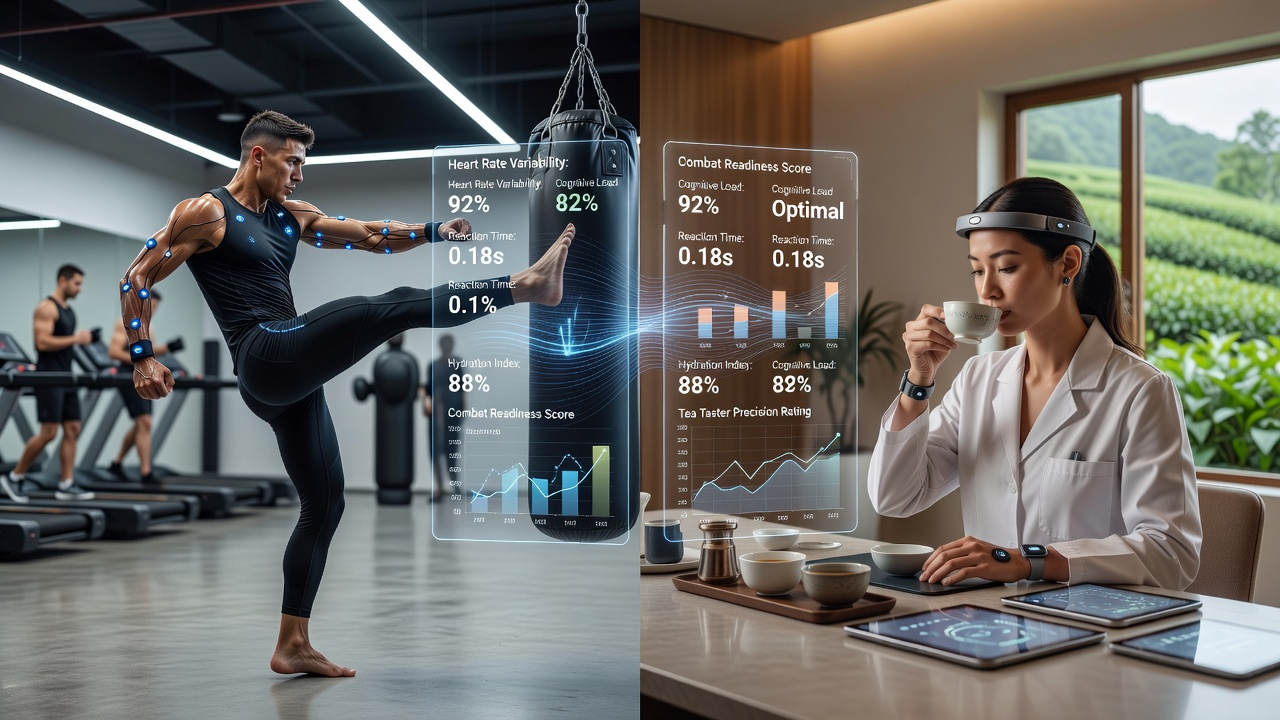
Comparative analyses released by academic groups such as those affiliated with the University of Toronto demonstrate correlations between biometric consistency scores and long-term leaderboard positions in both individual and collective formats. Athletes displaying lower variability in core temperature regulation during heat acclimation phases appear more frequently among seasonal leaders, while those with erratic recovery metrics drop in availability rankings. Combat event organizers increasingly reference these profiles when seeding brackets, and team general managers incorporate them into contract negotiations alongside traditional scouting reports.
Global standardization efforts continue through bodies including the International Olympic Committee, which published updated guidelines in early 2026 on ethical data handling for biometric systems. Federations adopt shared protocols that permit cross-sport benchmarking, allowing a boxer’s punch economy figures to inform evaluations alongside a soccer player’s high-speed running tolerance.
Future Trajectories in Performance Evaluation
Emerging integrations with artificial intelligence platforms process streams from thousands of data points per session, and these systems generate predictive models that forecast performance ceilings based on current physiological trajectories. Leagues experiment with real-time alerts during competitions that notify medical staff of approaching thresholds, yet selection committees still prioritize historical biometric archives when determining overall peak status. The approach expands identification criteria to include previously unquantified attributes such as mental exertion proxies derived from breathing patterns under pressure.
Conclusion
Biometric monitoring continues to refine peak performer identification by layering physiological evidence onto existing performance records across combat sports and team athletics. Organizations that implement comprehensive sensor networks gain granular visibility into individual capacities, and this visibility supports more precise talent pipelines. As datasets mature through 2026 and beyond, the tools establish new reference standards that reshape how federations and franchises distinguish elite contributors from the broader field.