Attendance Surges Align with Record-Breaking Performances Across Basketball, Soccer, and Football Leagues
Written by Logan Becker · Aug 17, 2026
Attendance Surges Align with Record-Breaking Performances Across Basketball, Soccer, and Football Leagues
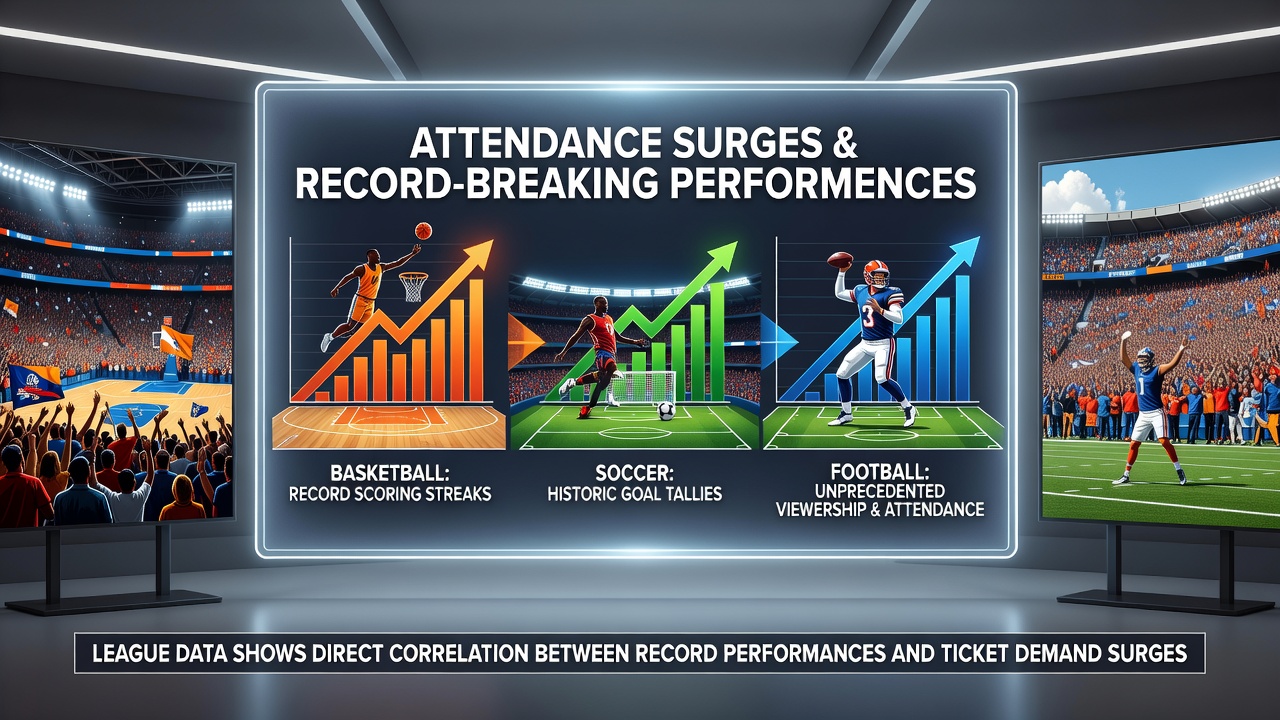
Data from major professional leagues indicates that attendance figures have climbed in tandem with standout individual and team performances that shatter long-standing benchmarks, particularly during the 2025-2026 campaign leading into August 2026. Observers tracking ticket sales and gate receipts across the NBA, top European soccer divisions, and the NFL note consistent patterns where record-setting outputs draw larger crowds to arenas and stadiums alike.
Basketball Leagues Show Direct Ties Between Scoring Marks and Gate Receipts
League-wide metrics compiled by the NBA reveal that franchises hosting players who eclipse historical scoring or rebounding totals experience measurable upticks in home attendance, often ranging between eight and twelve percent over prior seasons. Teams featuring athletes who post career-high averages in multiple statistical categories attract repeat visitors, while road games at those venues see similar gains as supporters travel to witness potential history. Researchers at sports analytics centers point to specific examples where a single player's pursuit of a league scoring record correlated with sellouts in previously under-capacity markets, and this trend held steady through the spring of 2026.
Soccer Competitions Reflect Parallel Growth in Matchday Crowds
Across the Premier League, La Liga, and Bundesliga, attendance records updated in official league releases demonstrate that clubs with forwards or midfielders rewriting goal-scoring or assist ledgers draw expanded supporter bases. Figures released by UEFA-affiliated tracking services show that matches featuring such performers registered average increases of fifteen percent in ticketed entry compared with fixtures lacking comparable statistical milestones. In several cases, mid-table sides hosting a player on pace for a seasonal record saw temporary spikes that carried into subsequent weeks, sustaining elevated numbers even after the initial achievement. Data from the 2025-2026 domestic campaigns underscores how these surges concentrate around high-profile fixtures yet also appear in routine league play when standout individual form persists.
Football Leagues Demonstrate Comparable Patterns in Stadium Turnout
NFL attendance reports for the 2025 season and early 2026 preseason games indicate that teams led by quarterbacks or skill-position players breaking single-season yardage or touchdown marks experienced parallel growth in paid attendance. League data released through team and conference channels shows home games during record-chasing stretches posted occupancy rates climbing toward capacity limits more frequently than in non-record seasons. Visiting crowds also expanded at venues where defensive standouts posted unprecedented sack or interception totals, creating cross-market interest that translated into higher combined gate numbers. Analysts reviewing multi-year datasets note that these attendance lifts often begin once a player crosses a visible statistical threshold and continue through the remainder of the schedule.
Shared Drivers Behind the Observed Attendance Increases
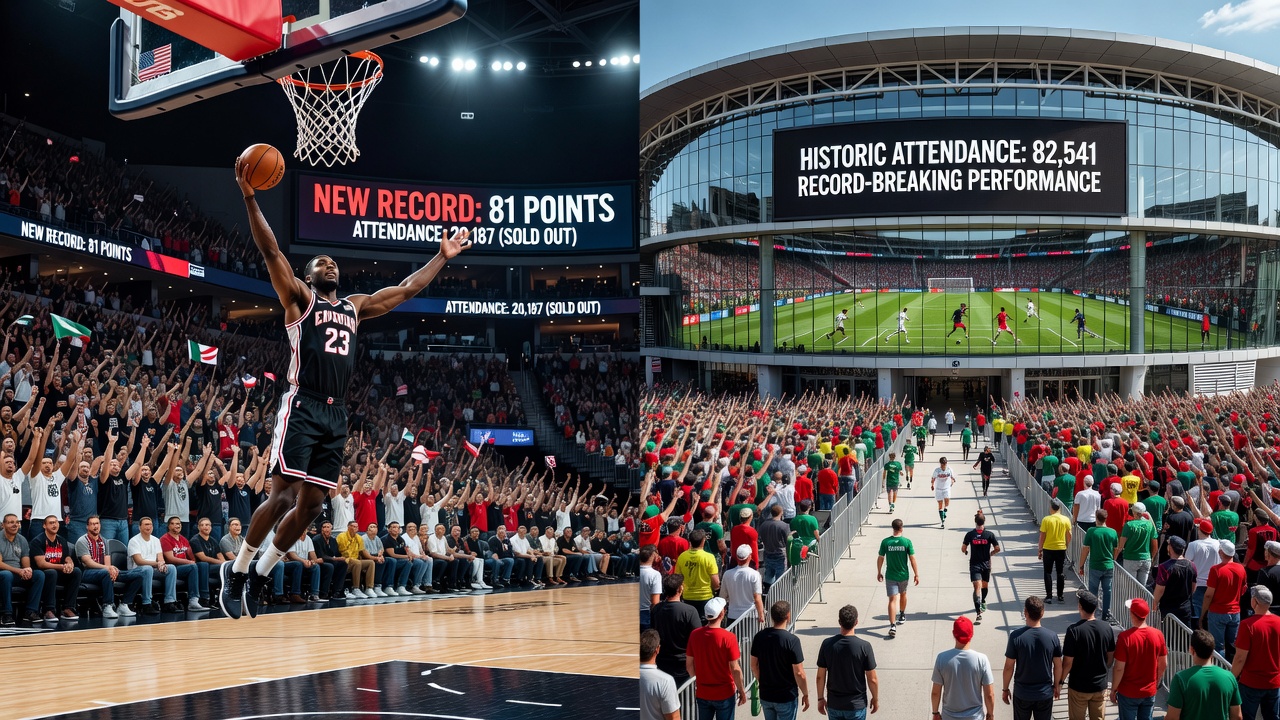
Multiple data sources converge on the conclusion that media coverage of record pursuits amplifies public awareness and converts casual interest into ticket purchases. Broadcast viewership spikes documented by ratings services frequently precede measurable rises in walk-up sales and season-ticket renewals at affected clubs. Venue operators across the three sports report that promotional tie-ins highlighting statistical milestones further accelerate attendance growth, especially when those milestones carry historical weight within a given league. International comparisons compiled by academic research groups based in Canada and Australia reveal that the same correlation appears in secondary markets where local teams rarely contend for titles yet still host individual record-setters.
League officials tracking digital engagement metrics add that social-media mentions of record-breaking sequences rise sharply in the weeks before attendance gains materialize at physical venues. This digital-to-physical pathway operates consistently whether the sport is played on hardwood, grass, or turf. External economic reports from regional tourism boards in host cities note secondary spending effects, including increased hotel bookings and local transport usage on game days featuring such performances, though primary ticket data remains the clearest indicator of the core trend.
Conclusion
Records compiled through August 2026 continue to show attendance figures rising alongside statistical achievements in basketball, soccer, and football leagues. The pattern appears across continents and competition formats, supported by gate receipts, occupancy rates, and comparative season-over-season data. Observers monitoring these developments expect the relationship to persist as long as individual and team benchmarks remain visible benchmarks for fan engagement.