30 May 2026
Altitude Training Regimens Reshaping Endurance Benchmarks Across Soccer Pitches, Tennis Circuits, and Boxing Rings
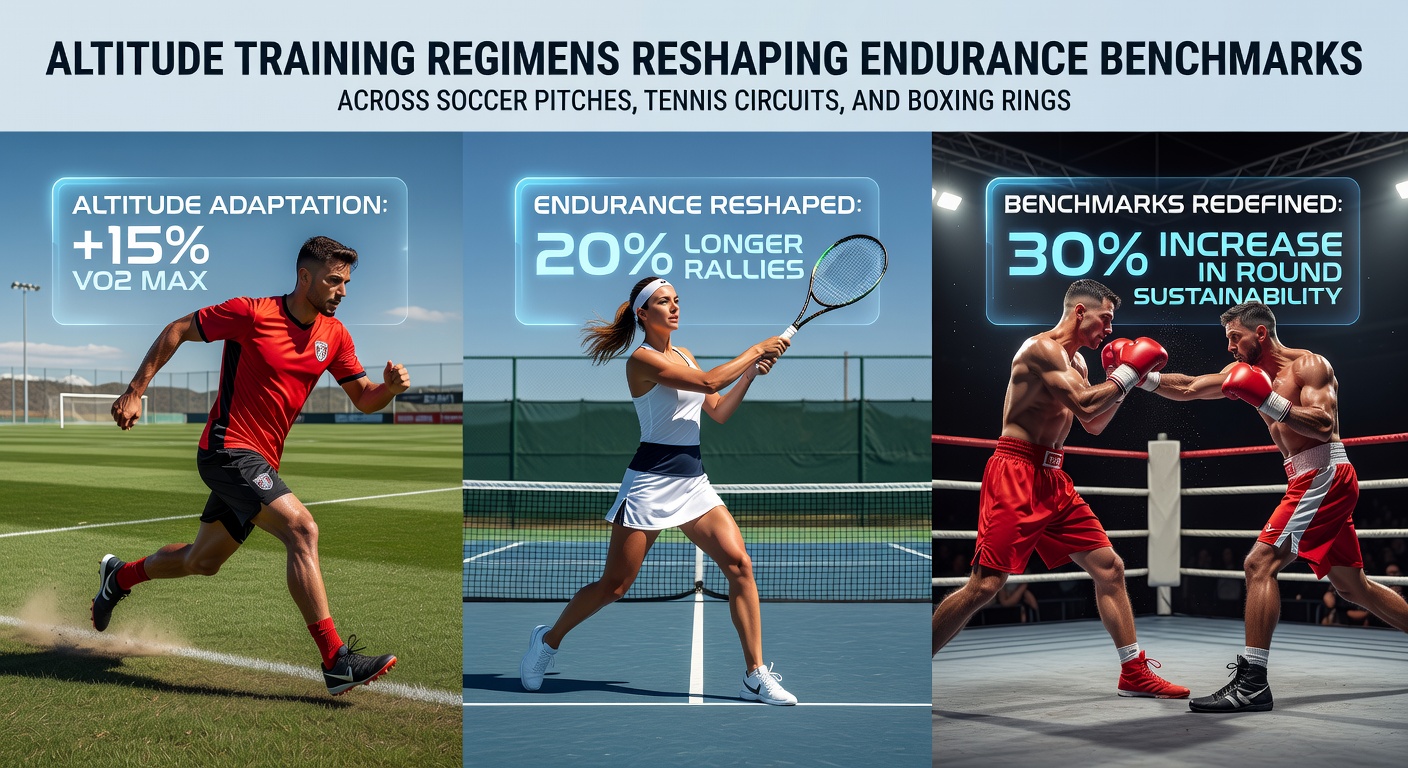
Altitude training has become a standard component in preparation cycles for many endurance-focused athletes, and data from multiple sports shows measurable shifts in performance metrics by May 2026. Athletes and teams integrate periods at elevations between 1,800 and 2,500 meters to stimulate erythropoietin production, which increases hemoglobin mass and oxygen-carrying capacity in the blood. Researchers track these adaptations through blood tests and field tests that record improvements in time-to-exhaustion and repeated sprint ability.
Application in Soccer
Professional soccer clubs schedule altitude camps during pre-season blocks, and several European and South American teams have documented gains in match-running distance after returning to sea level. Studies conducted at facilities in the Colorado Rockies and the Ethiopian highlands indicate that players who complete three-week blocks show average increases of 5 to 8 percent in total distance covered during simulated matches. Coaches combine "live high, train low" protocols with tactical drills so that technical work continues at lower elevations while recovery occurs at altitude. League data from the 2025-2026 season reveals that squads returning from such camps post higher percentages of high-intensity runs in the final 30 minutes of matches compared with their pre-camp baselines.
Implementation Across Tennis Circuits
Tennis players incorporate altitude exposure during off-season and mid-season breaks, often at centers in Switzerland or the American Southwest. A 2025 study published by teh Swiss Federal Institute of Sport tracked 24 professional players who completed 14-day altitude blocks and recorded improvements in VO2 max ranging from 3 to 6 percent upon return to lower elevations. These athletes then maintained modified training loads that preserved the hematological changes while rebuilding match-specific movement patterns. Tournament statistics compiled through the first four months of 2026 show that players who scheduled altitude phases before clay-court swing events maintained higher average rally lengths in deciding sets than peers who trained exclusively at sea level.
Boxing and Combat Sports Adaptation
Boxers use altitude training to extend work capacity during sparring sessions and to improve recovery between rounds. Training camps in locations such as Big Bear Lake, California, and the Drakensberg region of South Africa have produced fighters who demonstrate elevated lactate thresholds in post-camp testing. Performance analysts note that boxers completing four-week altitude periods before title bouts in 2025 and early 2026 recorded punch-output rates that remained above 85 percent of peak through later rounds, compared with 75 percent in earlier career fights at similar durations. Strength and conditioning staff adjust mitt work and roadwork intensity to match the reduced oxygen availability while monitoring sleep and hydration metrics to minimize overreaching.
Measurement and Monitoring Practices
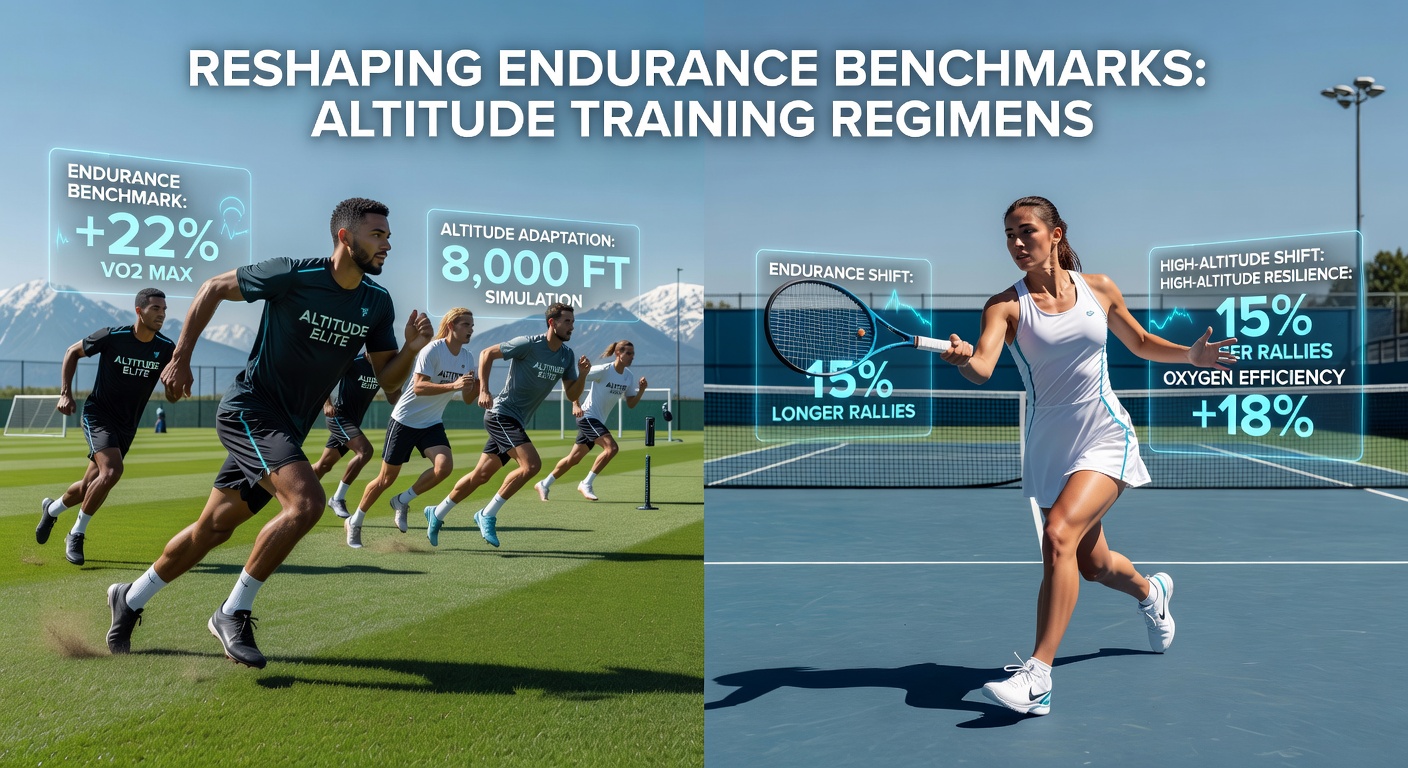
Sports science teams rely on portable blood analyzers and wearable oxygen-saturation devices to quantify adaptations in real time. Data collected across the three sports indicates that hemoglobin mass typically rises 6 to 12 percent after 18 to 21 days at moderate altitude, with the largest gains occurring in the first 10 days. Return-to-sea-level performance windows generally peak between 10 and 21 days after descent, prompting coaches to align competition schedules accordingly. Organizations such as the Australian Institute of Sport publish guidelines that standardize timing and loading parameters, and several national federations reference these protocols when designing annual plans.
Geographic and Logistical Considerations
Access to suitable elevation varies by region, so teams and individual athletes select sites that balance training quality with travel recovery. European soccer clubs often choose camps in the Alps or Pyrenees, whereas North American boxing teams favor established high-desert facilities. Tennis players frequently combine altitude blocks with tournament preparation in South America or Africa. Transportation logistics and acclimatization periods receive careful attention because abrupt changes in elevation can disrupt sleep architecture and delay full physiological adaptation.
Conclusion
Altitude training continues to influence endurance benchmarks in soccer, tennis, and boxing as monitoring technology improves and scheduling becomes more precise. The consistent physiological responses documented across multiple athlete cohorts provide teams and coaches with predictable windows for performance gains, while ongoing data collection refines the optimal duration and elevation parameters for each sport.